
About Varicose Veins in Pregnancy
Varicose veins are one of the most common complaints of pregnancy. They happen because pregnancy places three simultaneous demands on the leg veins — more blood to carry, softer vein walls, and pressure from the growing uterus on the veins of the pelvis.
Most improve after delivery. Some do not, and those are worth having assessed. This page explains why they develop, what helps during pregnancy, what to watch for, and what to do afterwards.
If you would like the background on how leg veins work, see our page on varicose veins.
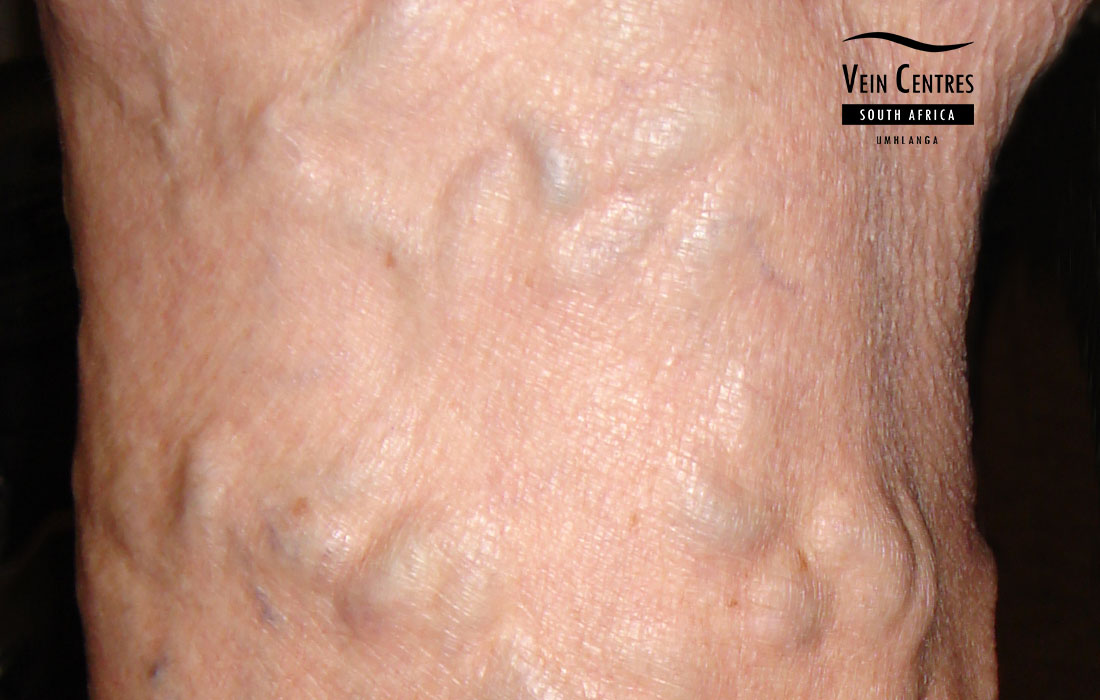
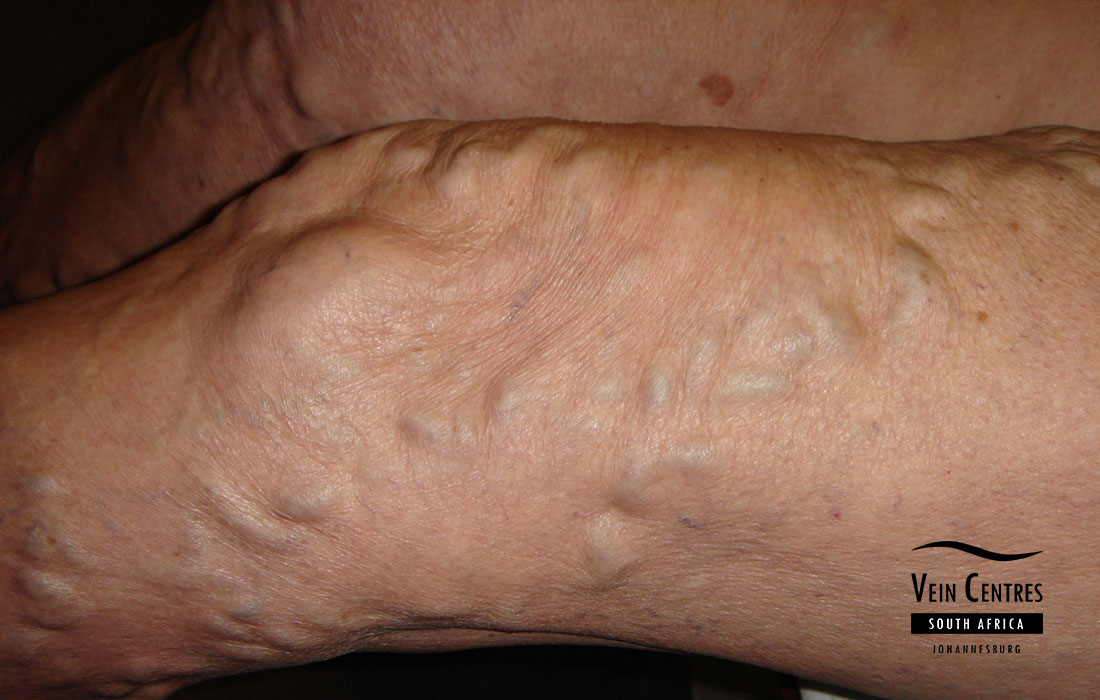
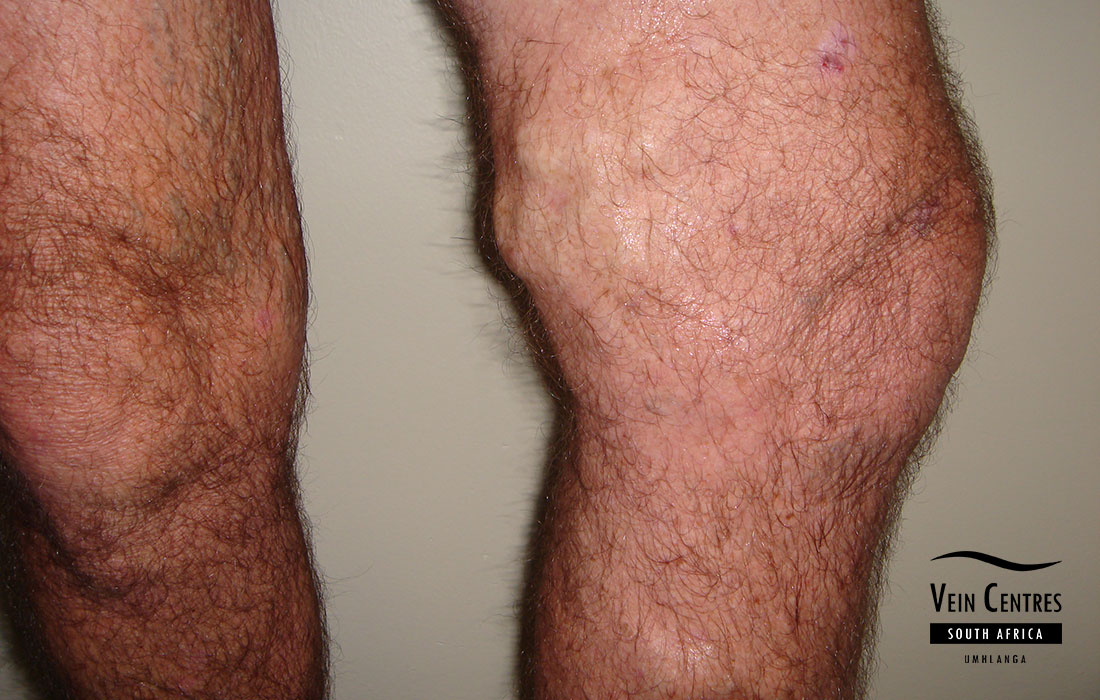
Varicose Veins in Pregnancy
Why varicose veins develop in pregnancy
Three changes of normal pregnancy act together on the leg veins.
Blood volume rises. By late pregnancy you are circulating substantially more blood than before, and the veins have to carry all of it back to the heart.
Hormones relax the vein walls. Progesterone softens smooth muscle throughout the body, including in the vein walls. A relaxed, dilated vein holds its valves further apart, and valves that no longer meet cannot close properly.
The growing uterus presses on the pelvic veins. As pregnancy advances, the uterus compresses the large veins in the abdomen and pelvis, so blood returning from the legs meets resistance.
The result is more blood to move, softer vein walls holding valves apart, and an obstruction above. Blood pools in the leg veins, and varicose veins appear. A family history of venous disease makes this considerably more likely1.
How common are they, and when do they appear?
Varicose veins are among the most common vascular changes of pregnancy, and the likelihood increases with each successive pregnancy. Increasing age, a family history of venous disease and prolonged standing all add to the risk1.
They usually appear from the second trimester onwards, as blood volume rises and pelvic pressure increases. Many women notice the symptoms before the veins: aching, heaviness or throbbing in the legs at the end of the day, sometimes with ankle swelling or night cramps.
Veins may also appear in places other than the legs. Haemorrhoids are varicose veins of the rectum, and vulval and vaginal varicose veins affect around one in ten women, usually from the second trimester. Both commonly settle after delivery, and both can be treated if they persist.
Can varicose veins be treated during pregnancy?
Treatment is deferred until after your baby is born, and there are good reasons for that rather than simple caution.
Many veins improve substantially on their own once blood volume, hormone levels and pelvic pressure return to normal, so treating during pregnancy risks treating veins that would have settled anyway. The sclerosants and anticoagulants used in vein treatment are also not established as safe in pregnancy, and there is no clinical urgency that would justify accepting that uncertainty.
During pregnancy, then, the aim is to control symptoms rather than to correct the reflux. Graduated compression stockings are the mainstay and are safe throughout pregnancy. Class 1 compression is usually sufficient and is easier to put on as pregnancy advances.
The exception is a complication. Bleeding from a vein, a hot and tender clotted vein, or a suspected deep vein thrombosis all need attention during pregnancy, whatever the stage.
Managing symptoms while you are pregnant
These measures will not prevent varicose veins, but they genuinely help with the aching and swelling:
- Walk every day. Walking activates the calf muscle pump, which is what drives blood back up the leg.
- Wear graduated compression stockings, put on first thing in the morning before swelling develops.
- Elevate your legs when you can, ideally above hip level.
- Avoid long periods standing or sitting still. Move, or flex your ankles, every half hour or so.
- Sleep on your left side. This takes the weight of the uterus off the inferior vena cava, which runs on the right.
- Keep weight gain within the range your obstetrician advises.
Compression stockings can be fitted at any of our centres, and you do not need to wait until after delivery to be measured.
When to seek advice during pregnancy
Most varicose veins in pregnancy are uncomfortable rather than dangerous. Some symptoms do warrant prompt assessment:
- Swelling of one leg only, particularly with calf pain or tenderness, since pregnancy raises the risk of deep vein thrombosis.
- A varicose vein that becomes hard, hot, red and tender, which may indicate superficial vein thrombosis.
- Bleeding from a varicose vein. Lie down, elevate the leg and apply firm pressure, then seek medical attention.
- Skin breakdown, ulceration or rapidly worsening skin changes around the ankle.
If any of these occur, contact your obstetrician or attend your nearest emergency service. Do not wait for a routine appointment.
Will they disappear after the birth?
Many do. Blood volume, hormone levels and pelvic pressure all return to normal over the months after delivery, and veins that appeared during pregnancy frequently improve or resolve.
Some do not. Where a valve has become permanently incompetent, the reflux remains and the veins persist. As a general guide, veins still present six to twelve months after delivery are unlikely to resolve on their own.
We usually assess patients around six months after delivery, once the picture has settled. Compression can be worn in the meantime. If you are breastfeeding, tell us at your consultation, as it affects the timing of some treatments.
Assessment is a consultation and a duplex ultrasound scan. If reflux is found, treatment is the same as for any other patient. * Individual results may vary.
Should you wait until you have finished having children?
The traditional advice was to wait until your family was complete before treating varicose veins. That advice has not kept pace with how veins are now treated.
It made sense when treatment meant an operation under general anaesthetic with a hospital stay and a recovery period. It makes less sense when treatment is a walk-in, walk-out procedure under local anaesthetic.
There is also a cost to waiting. Once valves are leaking, the reflux does not improve on its own, and each subsequent pregnancy places the leg under the same load with less venous reserve. Symptoms in a later pregnancy are often worse for that reason.
That said, veins can recur in a subsequent pregnancy whether or not you have been treated, and no treatment prevents that. The sensible approach is to be assessed, understand what your scan shows, and decide with that information rather than by a rule of thumb. If you are planning another pregnancy soon, say so — it is a legitimate factor in the timing.
References
- De Maeseneer MG, Kakkos SK, Aherne T, et al. European Society for Vascular Surgery (ESVS) 2022 clinical practice guidelines on the management of chronic venous disease of the lower limbs. Eur J Vasc Endovasc Surg. 2022;63(2):184–267. ESVS guideline
Written and medically reviewed by Dr Johan Blignaut, MBChB (UOFS), FCS(SA)SURG, Specialist Surgeon.
Last medically reviewed: August 2026. This page is reviewed periodically and updated when clinical practice changes. It is general information, not medical advice – see our terms and medical disclaimer.