
About Compression Stockings
The circulatory system is made up of both veins and arteries. Arteries deliver fresh oxygen-rich blood from the heart to all tissues and veins then collect the oxygen-depleted blood again and transport it back to the heart.
The heart will pump blood through the arteries, but not all the way through the veins.
In the lower limbs, blood requires a different transport system to return it, against gravity, back to the heart. This transport system is made up of a pump again, the “calf pump” and one way valves within the veins.
It is for this reason that walking is a great way to keep your legs healthy, since the calf pump is activated all the time.
Broken one-way valves in the legs will cause blood to flow back through the vein and pool in the lower legs, this is known as venous reflux, and often presents as varicose veins. Varicose veins are large blue tortuous vessels that bulge from the surface of the skin.


Compression Stockings
How compression stockings work
Graduated compression stockings apply external pressure to the leg, which helps the calf muscle pump return blood upwards against gravity. The pressure is greatest at the ankle and decreases gradually towards the thigh, which is what distinguishes a medical compression stocking from an ordinary support sock or a bandage.
Compression does not correct the underlying problem. Where a duplex scan shows venous reflux, the valves remain incompetent whether or not a stocking is worn. What compression does is control the consequences of reflux, and it does this well: it relieves aching and heaviness, reduces swelling, supports the skin, and helps prevent the skin changes that lead to ulceration1.
When compression stockings are used
We use compression in several distinct situations, and it is worth being clear about which applies to you:
- After a vein procedure. Compression is worn after radiofrequency ablation and after sclerotherapy. It improves comfort, and after sclerotherapy it reduces bruising, pigmentation and matting.
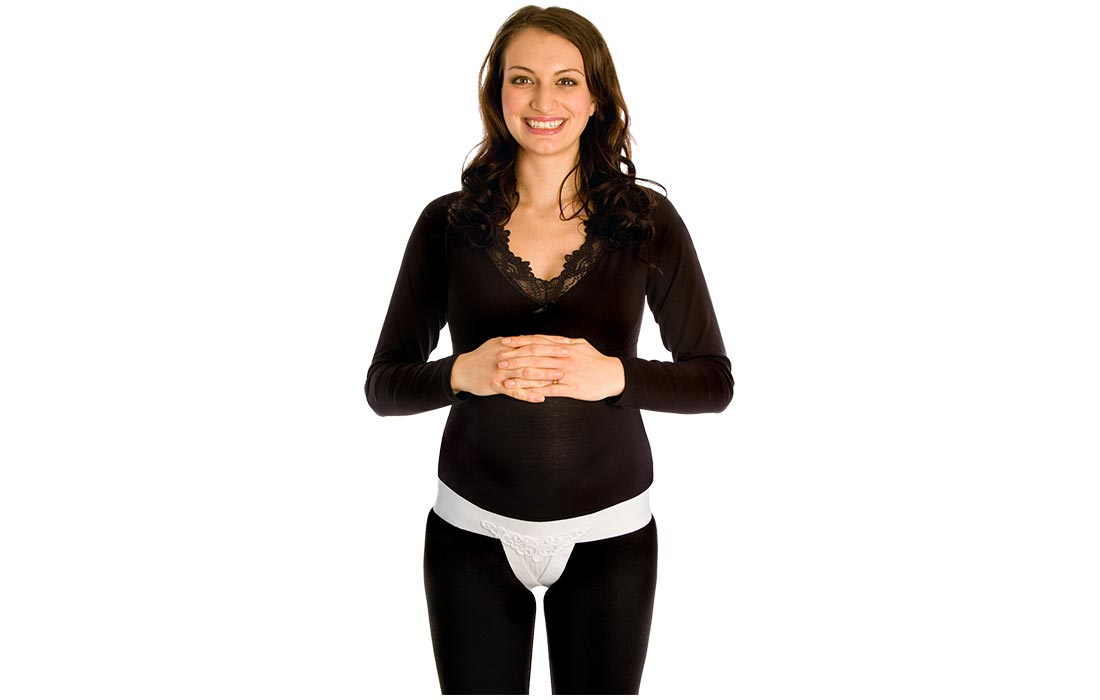
- During pregnancy. Treatment of varicose veins is deferred until after delivery, so compression is the mainstay of symptom relief during pregnancy. See our page on varicose veins during pregnancy.
- Where treatment is not appropriate. Some patients, particularly those with deep venous reflux following a previous DVT, are not candidates for endovenous treatment. For them daily compression is the principal long-term treatment.
- Venous leg ulcers. Compression is a core part of ulcer care, alongside treatment of any underlying superficial reflux12. See our page on venous leg ulcers.
- Symptom relief while waiting. Compression can relieve aching and swelling before a planned procedure.
- Long-distance travel. Below-knee compression is commonly worn on long flights to reduce leg swelling.
Compression classes
Medical compression stockings are graded by the pressure they exert at the ankle, measured in millimetres of mercury.
Class 1 stockings suit tired, heavy, aching legs, varicose veins without significant swelling, and varicose veins in pregnancy. They are easier to put on, which matters for daily wear.
Class 2 stockings give firmer support. They are used for more pronounced varicose veins with swelling, for healing and preventing venous ulcers, for superficial thrombophlebitis, after sclerotherapy, and for more severe varicose veins in pregnancy. Class 2 is what we normally provide after a vein procedure.
Which class is right for you depends on your symptoms and your duplex findings, and is decided at your consultation. Higher compression is not automatically better, and a stocking that is too firm is often simply not worn.
Fitting, wear and care
Our stockings are supplied by Venosan. Fit matters more than most patients expect: a stocking that is too large gives no useful compression, and one that is too small rolls, digs in and is uncomfortable. We measure you at the practice, and we stock a range of sizes and colours.
Stockings are best put on first thing in the morning, before any swelling develops, and removed at night unless you have been told otherwise. Wash them in lukewarm water, ideally in a laundry bag. Do not tumble dry, bleach, dry clean or iron them. Elastic fibres lose their compression with use, so stockings generally need replacing every three to six months.
Tell us if your stockings cause numbness, pain, discoloured toes or broken skin, and if you have known peripheral arterial disease, diabetes or reduced sensation in your feet, as compression may need to be modified or avoided in those circumstances.
Compression and definitive treatment
Patients often ask whether they can simply wear stockings instead of having their veins treated. Compression is a reasonable long-term choice for some patients, and it is the right answer where endovenous treatment is not suitable. But it needs to be worn every day, indefinitely, and it manages symptoms rather than correcting the reflux causing them.
Where reflux is demonstrated on duplex and the patient is a suitable candidate, current guidelines recommend endovenous ablation rather than compression alone as the primary treatment for symptomatic superficial reflux12. Compression then has a shorter, defined role after the procedure.
Some medical schemes may cover part of the cost of compression stockings, depending on your plan and benefits. To arrange a fitting or a consultation, please contact your nearest vein centre.
References
- De Maeseneer MG, Kakkos SK, Aherne T, et al. European Society for Vascular Surgery (ESVS) 2022 clinical practice guidelines on the management of chronic venous disease of the lower limbs. Eur J Vasc Endovasc Surg. 2022;63(2):184–267. ESVS guideline
- Gloviczki P, Lawrence PF, Wasan SM, et al. The 2022 SVS, AVF and AVLS clinical practice guidelines for the management of varicose veins of the lower extremities. Part I. J Vasc Surg Venous Lymphat Disord. 2023;11(2):231–61. Journal
Written and medically reviewed by Dr Johan Blignaut, MBChB (UOFS), FCS(SA)SURG, Specialist Surgeon.
Last medically reviewed: August 2026. This page is reviewed periodically and updated when clinical practice changes. It is general information, not medical advice – see our terms and medical disclaimer.